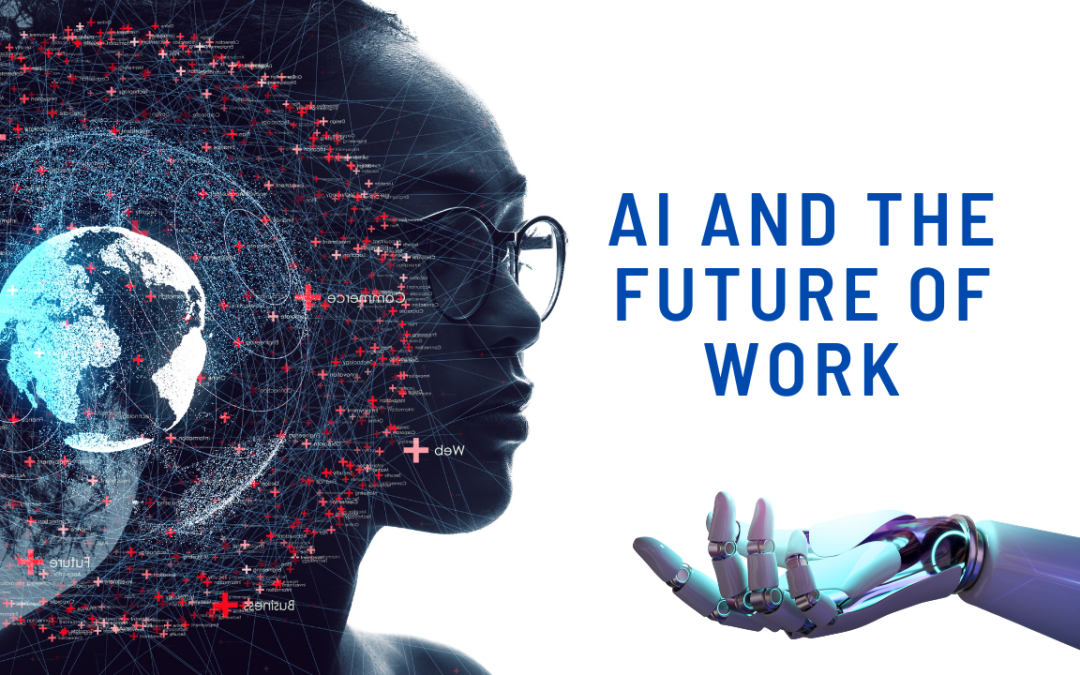
Most people are still talking about AI like it’s optional. Like it’s some fancy extra you can ignore if you’re “not technical.” That mindset is already costing people work.
AI is not replacing everyone overnight. What it is doing is quietly changing how work gets done. In many jobs, trying to work without AI today feels like insisting on doing everything manually while everyone else is using power tools.
Here are 10 roles where AI has already become part of the job, whether people admit it or not.
- Marketing
Marketing moves too fast now. Audiences change quickly, platforms change even faster, and campaigns need constant tweaking. AI helps with ideas, research, ads, and performance tracking. Without it, marketing feels like guesswork and long nights.
- Writing and Content Creation
Writers who say “AI will replace us” are missing the point. AI helps you start, structure, edit, and repurpose content. The real difference today is between writers who use AI to move faster and those who don’t. Clients notice.
- Graphic Design
Design is still about taste and creativity. But speed matters. AI helps designers explore ideas quickly, clean up images, resize assets, and handle repetitive tasks. Designers who use it simply get more done in less time.
- Social Media Management
Planning posts, writing captions, finding hashtags, tracking engagement, replying to messages… every day. AI makes this manageable. Without it, social media becomes exhausting and messy very fast.
- Data and Reporting
Most people don’t struggle with data because it’s hard. They struggle because it’s slow. AI helps clean data, spot patterns, and explain what’s actually happening. It turns numbers into answers.
- Customer Support
Customers expect fast replies now. Not tomorrow. Not “within 48 hours.” AI handles common questions, drafts responses, and supports agents so humans can focus on real problems, not copy-paste replies.
- Recruitment and HR
Reading hundreds of CVs manually is no longer realistic. AI helps shortlist candidates, match skills, schedule interviews, and reduce admin work. HR professionals who use AI spend more time with people and less time with paperwork.
- Sales
Good sales today is about timing and relevance. AI helps identify serious buyers, suggest follow-ups, and personalize messages. Selling without AI now feels like guessing who to call and when.
- Finance and Accounting
Spreadsheets are not going away, but AI has changed how they’re used. From forecasting to categorizing expenses and spotting issues early, AI reduces errors and saves hours of work.
- Running a Business
This one matters the most. Business owners now use AI for research, planning, content, customer support, and automation. It allows small teams to do the work of much bigger ones. If you ignore AI as a business owner, you are making life harder for yourself on purpose.
AI is not taking jobs. It is changing expectations.
Employers expect speed. Clients expect quality. Markets expect results. And increasingly, they expect you to know how to work with AI. You don’t need to become a tech expert. You don’t need to build AI systems. You just need to learn how to use AI as a tool in your work because the uncomfortable truth is this: you are more likely to lose your job to someone who knows AI than to AI itself.
Learn AI today. Get the job. Keep the job. Or build something that survives the future.